
Types and uses of butterfly valves
Butterfly valves are a popular choice in industrial applications due to their versatility and efficiency. Here are some of the common types of butterfly valves used in various industries:
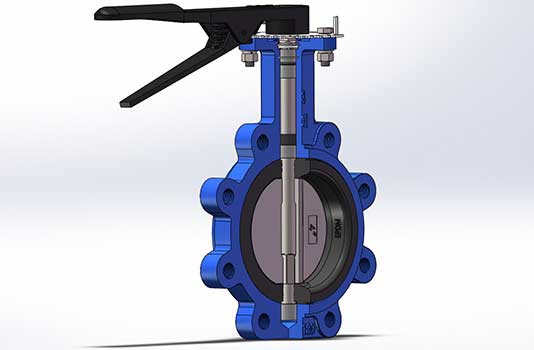
1. Lug Butterfly Valves: These are the most common type of butterfly valves and are used for general service applications. They feature a simple design with lugs on the valve body for easy installation.
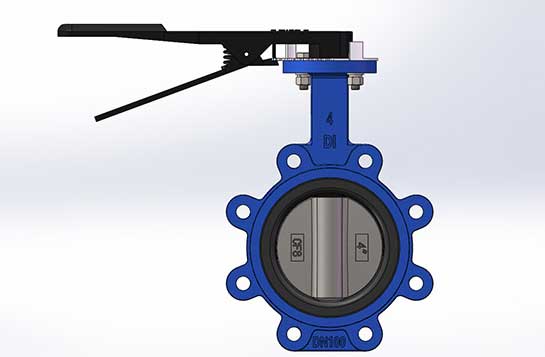
2. Wafer Butterfly Valves: Wafer valves are thin and lightweight, making them suitable for applications where space is limited. They are often used in water treatment plants and other similar environments.
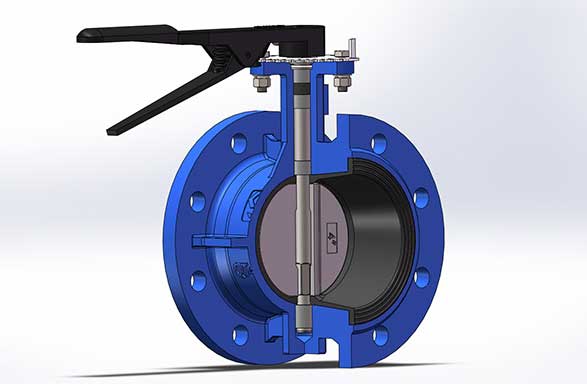
3. Double Flanged Butterfly Valves: These valves have flanges on both sides, allowing them to be bolted between two flanges in a pipeline. They are ideal for high-pressure applications and are commonly used in the chemical and petrochemical industries.
4. Triple Offset Butterfly Valves: Known for their excellent sealing capabilities, triple offset valves are designed with an offset stem, an offset disc, and an offset seat. This design reduces the torque required to operate the valve and provides a bubble-tight seal.
5. Pneumatic Butterfly Valves: These valves are operated by compressed air and are often used in automated systems. They are suitable for applications where remote operation is required.
6. Electric Butterfly Valves: Similar to pneumatic valves, electric butterfly valves are operated by an electric signal. They are used in applications where electronic control is preferred.
7. Sanitary Butterfly Valves: Designed for the food and beverage industry, sanitary valves are easy to clean and maintain. They often have a smooth surface to prevent bacterial growth and are made from materials that are safe for contact with food products.
8. High Performance Butterfly Valves: These valves are designed for high flow rates and are often used in large pipelines. They can handle high pressures and temperatures.
9. Firesafe Butterfly Valves: Firesafe valves are designed to maintain their sealing integrity in the event of a fire. They are critical in applications where safety is a primary concern, such as in oil and gas pipelines.
10. Metal Seated Butterfly Valves: These valves have a metal-to-metal seal and are used in high-temperature applications or where a tight shut-off is required.
Each type of butterfly valve is designed to meet specific operational requirements, from the type of fluid being controlled to the environmental conditions in which the valve will operate. The choice of valve type depends on the particular needs of the application, including factors such as pressure, temperature, flow rate, and the need for a tight seal.
 The differences between hard-s
 Types and uses of butterfly va
 Introduction to Wafer Type But