
Introduction to Wafer Type Butterfly Valves
Wafer type butterfly valves, also known as clamp butterfly valves, are versatile flow control devices widely used in various industries due to their compact design, ease of installation, and efficient performance. This article provides an overview of the key features, applications, and benefits of wafer type butterfly valves.
Design and Operation
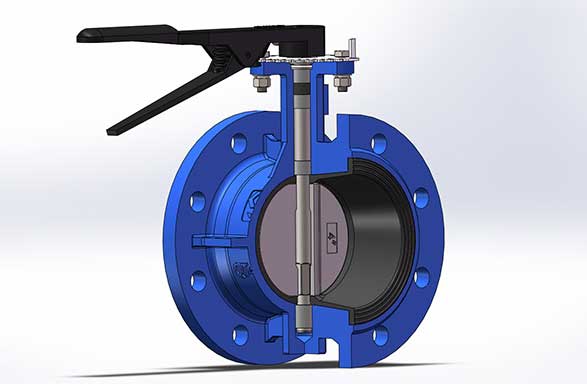
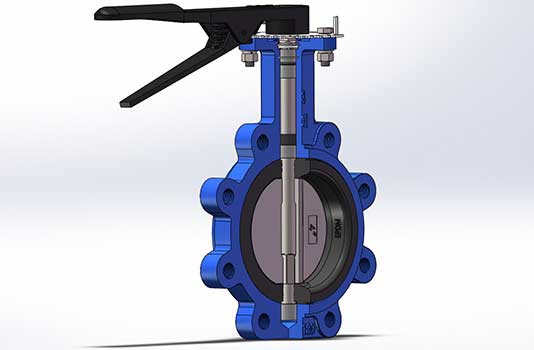
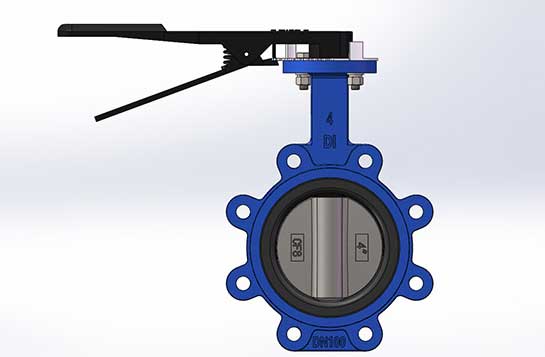
Wafer type butterfly valves consist of a circular disc, or butterfly plate, mounted within a cylindrical valve body. The butterfly plate rotates around its axis within the valve body, allowing fluid flow to be regulated. The rotation angle ranges from 0° to 90°, with a 90° position indicating a fully open valve. The valves are typically installed horizontally and are known for their simplicity, consisting of only a few components.
Key Features
- Compact Design: Wafer type butterfly valves are known for their compact and lightweight design, making them suitable for use in space-constrained environments. Their small footprint also simplifies installation and maintenance.
- Rapid Actuation: With a 90° rotation, the valves can be quickly opened or closed, making them ideal for applications requiring frequent operation. This feature also contributes to energy efficiency, as less torque is required to actuate the valve.
- Excellent Flow Control: When fully open, the only resistance to fluid flow is the thickness of the butterfly plate. This results in minimal pressure drop across the valve, allowing for precise flow control.
- Seal Types: The valves are available in both elastomeric seals and metal seals. Elastomeric seals offer good sealing performance within a specific temperature range, while metal seals provide longer service life and can withstand higher temperatures.
- Adaptability: The valves can be configured with various actuators, including manual handles, gears, pneumatic, hydraulic, and electric drives, to meet the specific requirements of different applications.
Applications
Wafer type butterfly valves find extensive use across multiple industries due to their versatility and performance. Some of the primary applications include:
- Industrial Pipelines: They are commonly used in petrochemical, power generation, and metallurgical industries for regulating fluid flow in pipelines.
- Building Water Systems: In building water supply and drainage systems, these valves control the flow of water and other liquids, ensuring efficient operation and maintenance.
- Automation Systems: Integrated with sensors and actuators, wafer type butterfly valves are essential components in automation systems, allowing precise control of fluid flow, pressure, and temperature.
- Water and Wastewater Treatment: They play a crucial role in water and wastewater treatment plants, regulating flow rates and pressures to maintain optimal treatment processes.
Benefits
- Cost-Effective: The compact design and ease of installation make wafer type butterfly valves cost-effective solutions for flow control applications.
- Longevity: With proper maintenance, these valves can provide reliable service for extended periods, reducing the need for frequent replacements.
- Low Maintenance: The simple design of the valves means they require minimal maintenance, further contributing to their overall cost-effectiveness.
- Versatility: The availability of different seal types, sizes, and actuation options ensures that wafer type butterfly valves can be tailored to meet the specific requirements of diverse applications.
In conclusion, wafer type butterfly valves are highly efficient and versatile flow control devices that offer a combination of compact design, rapid actuation, and precise flow control. Their widespread adoption across various industries underscores their importance in maintaining the smooth operation of fluid systems.
 The differences between hard-s
 Types and uses of butterfly va
 Introduction to Wafer Type But